
Elevate Your Space with
Timeless Venetian Finishes
We elevate South Florida interiors with luxury plaster finishes and
custom designs that turn any surface into art.
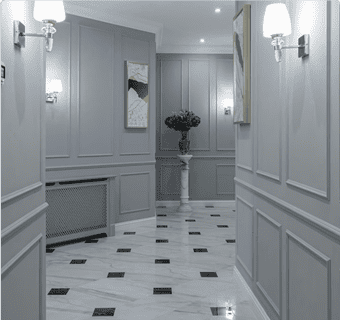
Luxurious plaster finishes that add depth and elegance to any
space.
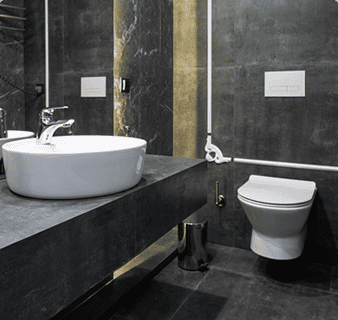
Adds texture, depth, and elegance to any space, perfect for creating stunning accent walls and timeless interiors.
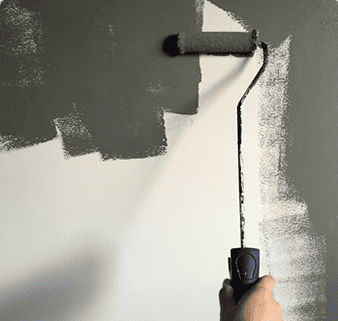
Professional painting for both interior and exterior surfaces, ensuring a flawless finish.

Transform your spaces with
seamless, beautiful
colors.
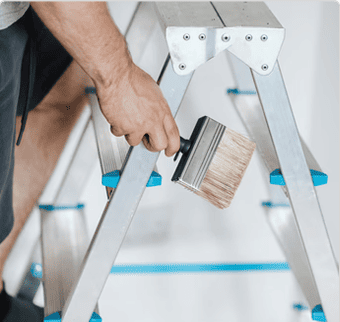
Enhance curb appeal with
a durable, weather-resistant
finish.
Venetian plaster, often referred to as polished plaster, is a traditional finish that uses a mix of lime and marble dust to create a variety of stunning textures and looks, often mimicking natural stone. While the application technique and tools greatly influence the final texture, here are some common names and descriptions of Venetian plaster textures:
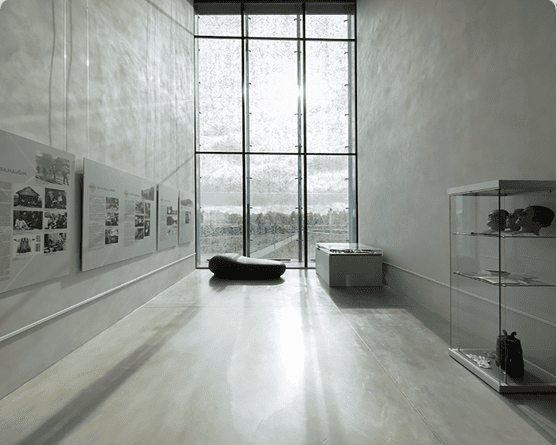
This is a very common type of Venetian plaster. It’s made with slaked lime and finely ground marble dust, sometimes with fine marble sand added. Marmorino can achieve a range of finishes:
Smooth/Satin: Less textured, with a subtle sheen.
Textured/Mottled: Can have more depth and a slightly rougher feel, resembling natural stone.
Marmorino Classic: A traditional, smooth, lustrous finish with depth.
Marmorino Pitted: A classic marmorino finish designed to look like stone, often with small indentations or “pits.”
Marmorino Carrara: A lighter alternative that can create a honed stone effect with subtle striations.
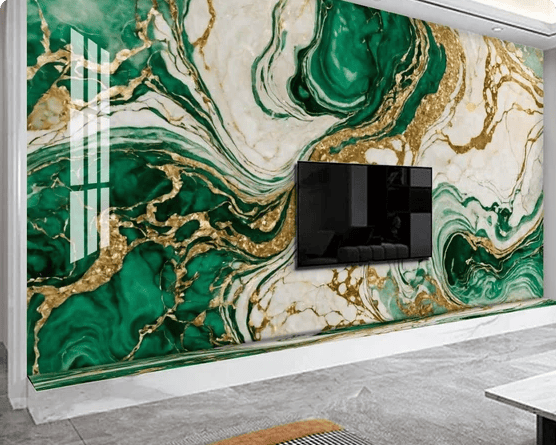
(or Stucco Veneziano/Grassello di Calce): Often considered the classic polished plaster. It’s made from slaked lime and very finely ground marble dust (sometimes with no sand). Veneziano is known for:
High Polish/Mirror Finish (Lucidato/Spatulata):
This is the most common association with “Venetian plaster,” producing a smooth, highly reflective surface that can look like polished marble.
Smooth with Subtle Tones:
While capable of a mirror-like shine, it can also create smooth finishes with soft and subtle color variations.
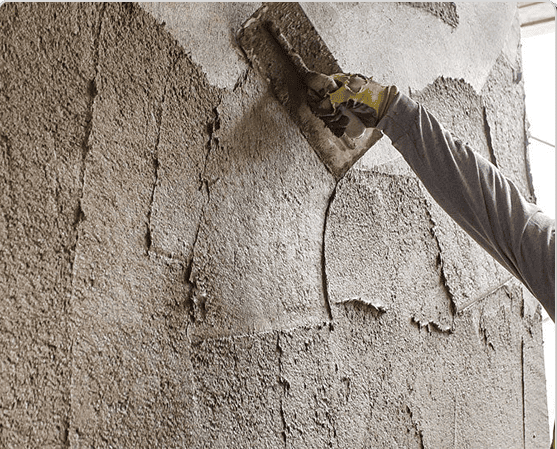
This type is more textured than Veneziano or Marmorino, often incorporating both fine and coarse marble dust. It can still be applied smoothly with a low sheen, or its rougher texture can be emphasized for a more rustic look.
Other Notable Textures and Techniques:
Scagliola: A technique that simulates marble inlay, often used since the 17th century.
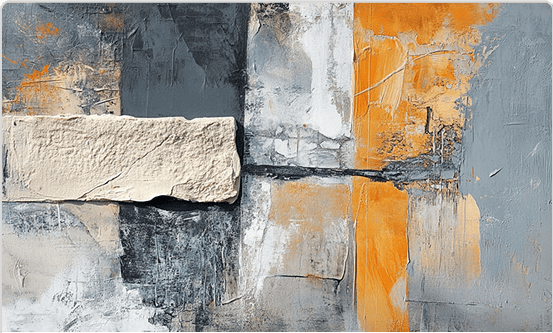
A complex artistic technique where thin layers of different colored plaster are applied, and then areas are scraped away to reveal the colors beneath, creating patterns or images.
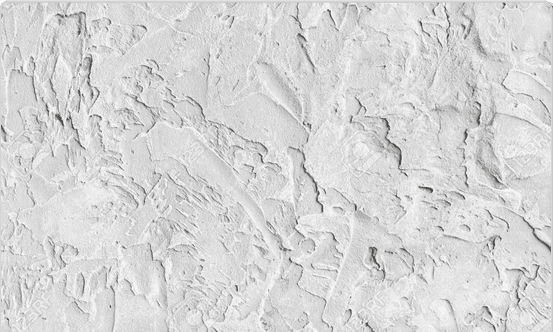
As mentioned with Marmorino Pitted, this finish aims to replicate the look of aged stone with small, intentional indentations.
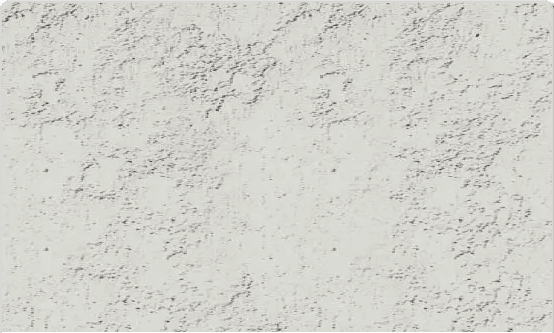
Achieved by dragging a tool across the wet plaster to create linear patterns or striations.
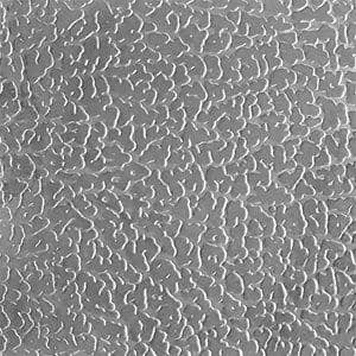
Beyond simple textures, Venetian plaster can be used to create more intricate patterns, including those mimicking animal prints (like crocodile or snake skin), rippled effects, or bamboo textures.
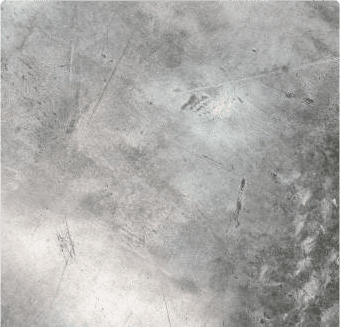
Refers to the act of polishing the plaster with a trowel to achieve a higher sheen. This is a technique applied to the different types of plaster rather than a specific “texture” name itself, but it significantly impacts the final look.
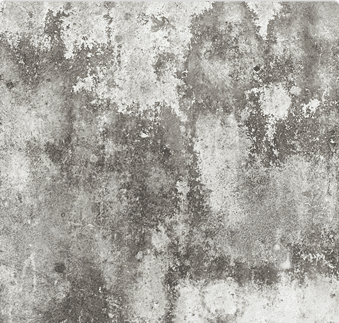
While distinct, it’s a Moroccan lime plaster that can be compared to Venetian plaster in its natural, polished appearance, often used in wet areas.
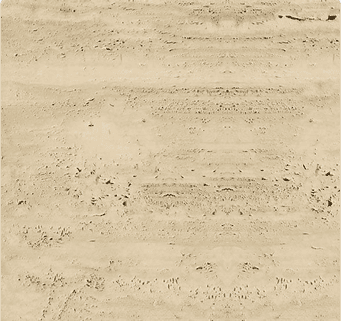
A finish that specifically mimics the look of Travertine stone, known for its pitted, porous appearance.
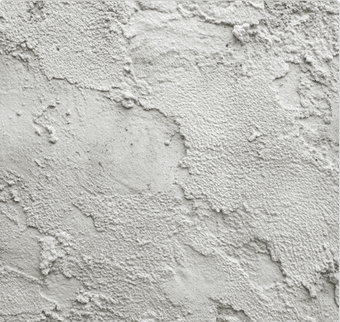
These finishes aim to replicate the industrial look of polished concrete, often using specific types of Venetian plaster with coarser aggregates.